


Consumerism Consumes the Consumer: 5 Steps to Intentional Simplification
- TheEditedHome

- Nov 26, 2025
- 3 min read
Consumerism significantly influences modern life, often leaving people feeling overwhelmed and anxious. We are surrounded by endless choices, constant advertisements, and the pressure to acquire more—more things, more experiences, more status. Yet, this abundance (or consumerism) does not always translate into happiness or fulfillment. Instead, it can consume the consumer, distracting from what truly matters.
Henry David Thoreau’s call to “Simplify, simplify” offers a powerful perspective that goes beyond just having less. As Jen Tota McGivney explains in What We Miss When We Miss the Point of Thoreau’s Call to 'Simplify, Simplify,' “He didn’t simplify to have and to do less; he simplified to have and to do more of what mattered. To trade up, he pared down.” This insight invites us to reconsider our approach to consumerism and find balance by focusing on what truly enriches our lives.
This post explores five practical steps to evaluate where to minimize in your life, helping you create a better balance and reduce anxiety. These steps draw on Thoreau’s wisdom and modern challenges, guiding you toward a more meaningful and intentional way of living.
Step 1: Identify What Truly Adds Value to Your Life
Start by reflecting on your daily activities, possessions, and commitments. Ask yourself which of these bring genuine joy, growth, or meaning. Thoreau’s approach was to pare down to the basics to learn what added to his life and what subtracted from it. He believed that by spending the bare minimum on what he needed, he could work less and devote more time to what mattered.
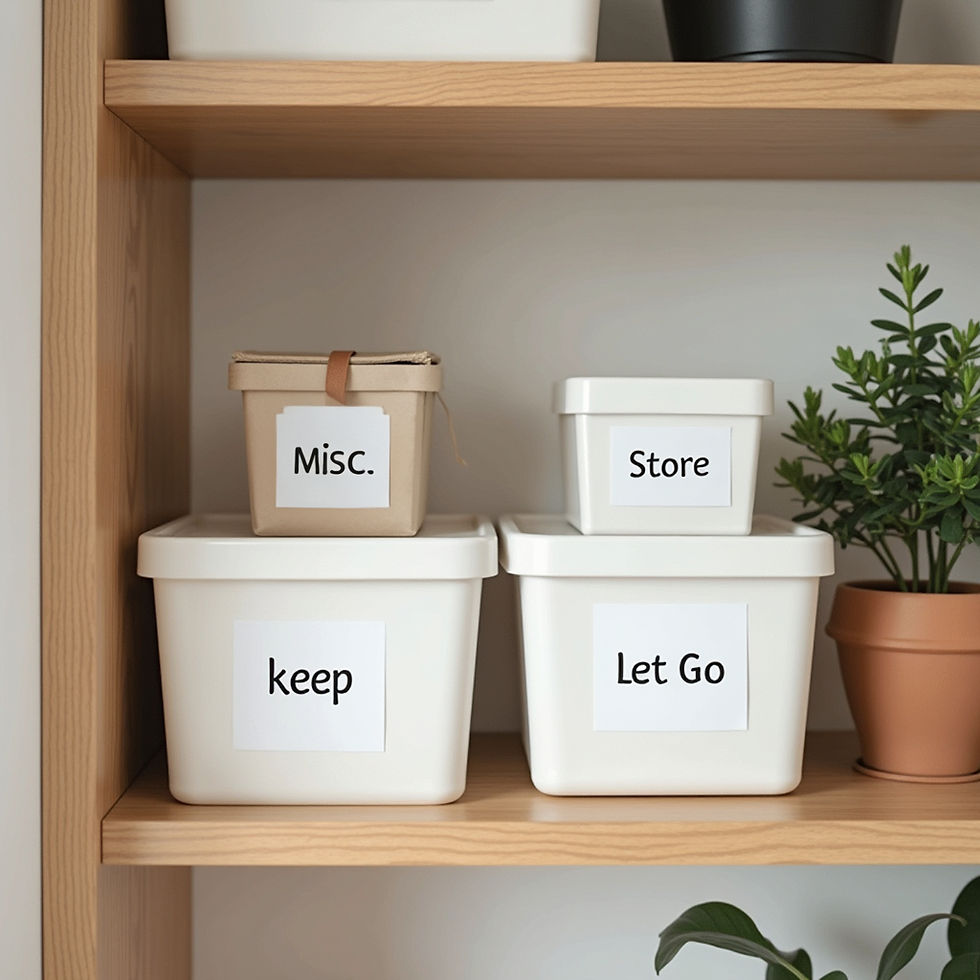
Make a list of your current possessions and activities. Then, categorize them into:
Essential and meaningful
Useful but not meaningful
Unnecessary or distracting
This exercise helps reveal where consumerism might be filling your life with clutter rather than value.
Step 2: Question the Messages Behind Consumer Choices
Consumer culture often sells more than products; it sells ideas about status, beauty, health, and youth. As McGivney points out, “The lifestyle that we’ve been sold lines others’ pockets more than it enriches the quality of our days.” Social media turns our time into engagements to be monetized, and new devices promise to streamline life but often distract us instead.
When you feel the urge to buy or commit, pause and ask:
Am I buying this because I need it or because I want to keep up with others?
Does this purchase or activity support my well-being or distract me from more meaningful engagements?
How will this choice affect my time and mental space?
Being mindful about these questions helps resist consumerism’s pull and focus on what truly matters.
Step 3: Simplify Your Commitments to Create Space
Many people feel overwhelmed not just by things but by their schedules. The pressure to work more, attend events, and stay connected can make life feel like a constant race. Thoreau’s lifestyle shows the power of scarcity: by limiting needs, he could work less and spend more time on writing, nature, and community.
Look at your calendar and commitments. Identify:
Obligations that drain energy without a meaningful return
Activities that align with your values and passions
Opportunities to say no or delegate
Creating space in your schedule reduces anxiety and opens room for what enriches your life.
Step 4: Practice Mindful Consumption
Consumerism makes everything available for purchase, but not everything is worth acquiring. Mindful consumption means choosing carefully and intentionally, considering the impact on your life and the environment.
Try these practices:
Wait before buying non-essential items to avoid impulse purchases
Choose quality over quantity to reduce waste and clutter
Support local or ethical brands that align with your values
Mindful consumption helps you trade up by paring down, focusing on what adds real value.
Step 5: Cultivate Experiences Over Things
Thoreau’s goal was to have and do more of what mattered. Often, experiences—time with loved ones, learning, outdoor living—bring deeper satisfaction than material goods. Investing in experiences can reduce anxiety by shifting focus from possessions to meaningful moments.
Consider:
Prioritizing activities that foster connection, growth, and intention
Reducing spending on things that don’t enhance your life
Creating rituals that bring joy and presence, like walks, prayer, and/or reading
This shift supports a balanced life where consumerism does not consume you.
Balancing consumerism and simplicity is not about giving up everything, but about making conscious choices that enrich your life. By identifying what adds value, questioning consumer messages, simplifying commitments, practicing mindful consumption, and prioritizing experiences, you can create space for what truly matters.


Comments