


Mastering the Art of a Stress-Free Spring Clean
- TheEditedHome

- Apr 16
- 3 min read
Spring cleaning often feels like a daunting task. The thought of tackling every corner of your home can quickly turn excitement into stress. Yet, a well-planned approach can transform this chore into a refreshing, manageable experience. This guide will help you master the art of a stress-free spring clean, making your home feel renewed without overwhelming you.

Plan Your Spring Clean Before You Begin
A successful spring clean starts with a clear plan. Without one, it’s easy to get lost in the mess or waste time on less important tasks.
Set realistic goals: Decide which rooms or areas need the most attention. Focus on high-traffic spaces like the kitchen, living room, and bathrooms.
Create a schedule: Break down cleaning tasks over several days or weekends. This prevents burnout and keeps the process manageable.
Gather supplies in advance: Stock up on cleaning products, microfiber cloths, gloves, trash bags, and storage boxes. Having everything ready saves time and frustration.
By planning ahead, you reduce the chance of feeling overwhelmed and keep your cleaning focused and efficient.
Declutter Before You Clean
Cleaning is easier and more effective when clutter is removed first. Clutter not only makes spaces look messy but also hides dirt and dust.
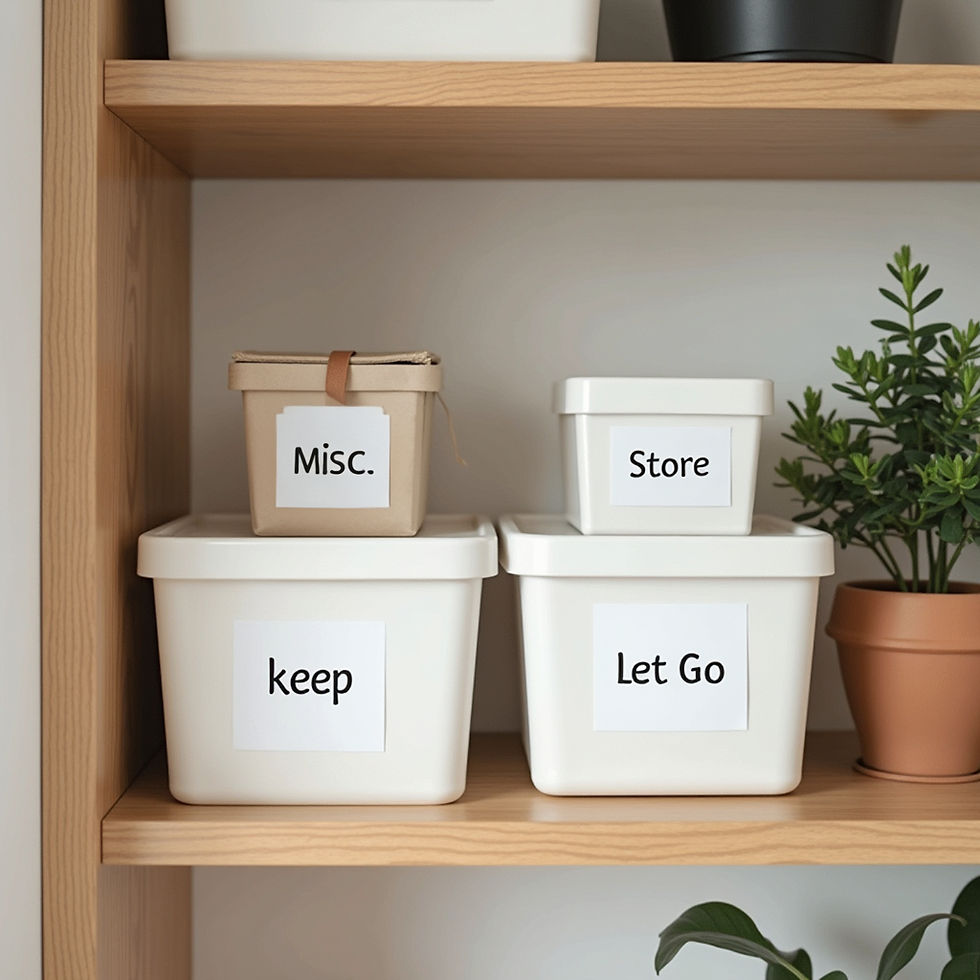
Sort items into categories: Keep, donate, recycle, or throw away. Be honest about what you really need or use.
Use the “one-year rule”: If you haven’t used or worn something in the past year, consider letting it go.
Organize as you go: Use storage bins, shelves, and drawer dividers to keep things tidy and accessible.
Decluttering creates a sense of order and makes the cleaning process smoother.
Tackle One Room at a Time
Focusing on one room at a time helps maintain momentum and gives a clear sense of accomplishment.
Start with easier rooms: Begin with smaller or less cluttered spaces to build confidence.
Follow a top-to-bottom approach: Dust ceiling fans, light fixtures, and shelves before vacuuming or mopping floors.
Clean windows and curtains: Letting in more natural light brightens your home and lifts your mood.
This method keeps you organized and prevents spreading dirt from one area to another.
Use Efficient Cleaning Techniques
Efficiency reduces the time and effort needed for spring cleaning.
Microfiber cloths trap dust better than traditional rags.
Use a vacuum with attachments to clean upholstery, corners, and vents.
Natural cleaners like vinegar and baking soda work well for many surfaces and are eco-friendly.
Work in sections: Clean one wall or surface completely before moving on to the next.
These techniques help you clean thoroughly without wasting energy.
Take Breaks and Stay Hydrated
Cleaning can be physically demanding. Taking breaks helps maintain energy and focus.
Set a timer for 25-30 minutes of cleaning, then take a 5-10 minute break.
Drink water regularly to stay hydrated.
Stretch to avoid stiffness and muscle strain.
Pacing yourself prevents exhaustion and keeps the experience positive.
Involve Family or Housemates
Sharing the workload makes spring cleaning faster and less stressful.
Assign specific tasks or rooms to each person.
Turn cleaning into a game or challenge to keep motivation high.
Celebrate progress together with a small reward, like a favorite snack or movie night.
Teamwork turns cleaning into a shared activity rather than a solo burden.
Maintain Your Clean Home
After the big clean, keeping your home tidy requires less effort.
Develop daily habits like wiping counters, putting things away immediately, and doing a quick sweep.
Schedule regular mini-cleans weekly or monthly.
Rotate deep cleaning tasks throughout the year to avoid buildup.
Consistent maintenance keeps your home fresh and reduces the need for overwhelming cleanups.


Comments