


Effective Strategies for Organizing Life Transitions Without Relocating
- TheEditedHome

- Jun 23
- 3 min read
Major life changes often do not require a full relocation or major renovation. When children leave home (or come back as adults), retirement begins, or new hobbies emerge, the spaces we live in can feel out of sync with our current lifestyle. This post explores how to rethink and reorganize your home during these transitions, focusing on repurposing rooms like the empty nester’s closet or a child’s former bedroom. You’ll find practical tips and a Space Repurposing Checklist to help you transform your space without moving.

An empty bedroom transformed into a cozy reading nook, perfect for new hobbies and relaxation.
Recognize the Opportunity in Life Transition
When children leave home, or when a parent moves in, or retirement or divorce occurs, the rooms once filled with activity can feel empty or underused. This shift offers a chance to rethink how your home supports your current needs. Instead of feeling stuck with unused space, see it as a blank canvas for new purposes.
For example, a child’s former bedroom can become a:
Home office
Hobby or craft room
Library/reading room
Guest room
Home gym
Similarly, a large master closet might be downsized to free up space for a dressing area, a small library, or additional storage for new interests.
How to Approach Organizing Without Moving
Step 1: Assess Your Current Space and Needs
Start by looking at the room objectively. What is its current use? What items remain? What activities do you want to support now? Write down your priorities. For example:
Do you want a quiet retreat for reading or meditation?
Are you starting a new hobby that requires storage and workspace?
Would you like to create a social space for guests or family gatherings?
Step 2: Declutter and Downsize
A major life change often means you no longer need the same amount of belongings. Use this moment to declutter:
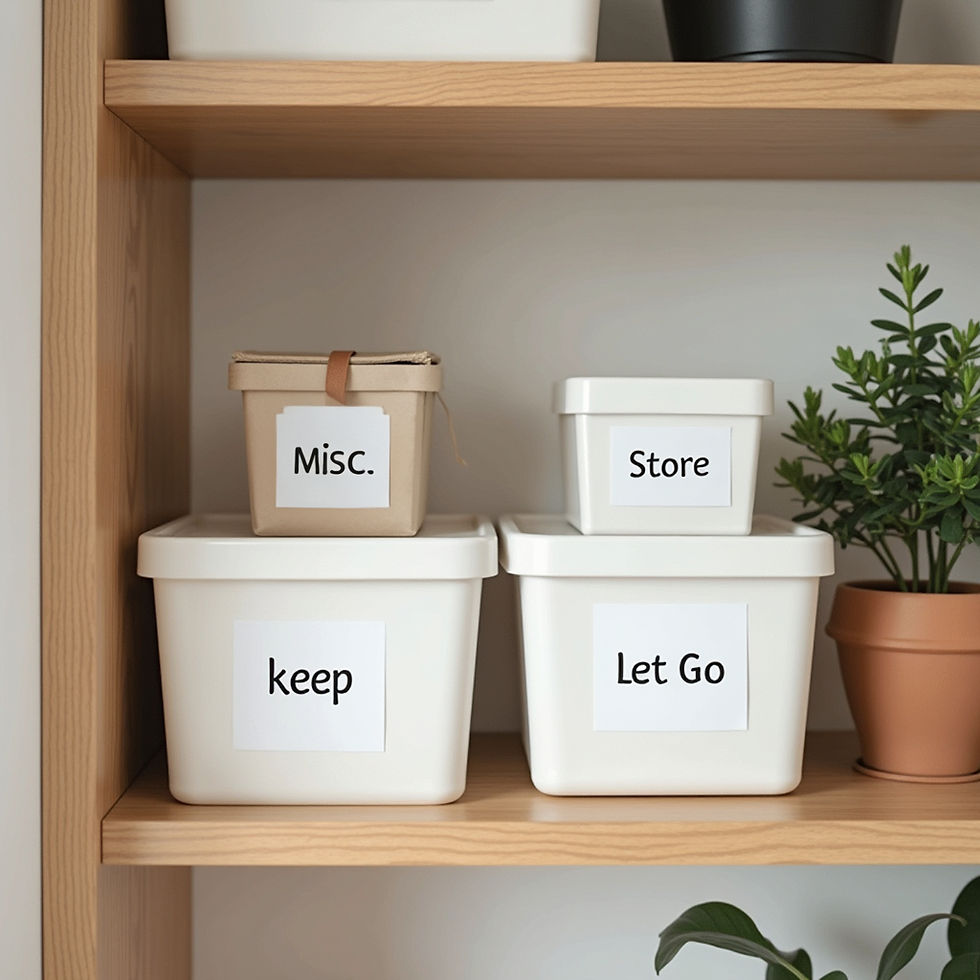
Sort items into keep, donate, sell, or discard piles.
Be honest about what you use or love.
Consider storage solutions that maximize space without overcrowding.
Downsizing your closet or room contents can make the space feel fresh and inviting.
Step 3: Plan the New Layout
Think about how furniture and storage can support your new purpose. For example:
If converting a child’s room into a home gym, clear out bulky furniture and add compact equipment like resistance bands or a foldable treadmill.
For a craft room, install shelves and pegboards for tools and supplies.
A meditation space might need minimal furniture, soft lighting, and calming decor.
Sketch a rough floor plan or use online room planners to visualize the changes.
Step 4: Organize with Purpose
Organizing is more than tidying up; it’s about creating a system that supports your lifestyle. Use labeled bins, drawer dividers, and clear containers to keep items accessible and neat. Group similar items together and store frequently used things within easy reach.
Space Repurposing Checklist
Use this checklist to brainstorm and decide the best new use for your empty rooms or downsized closets:
What activities do I want to support? (e.g., exercise, hobbies, relaxation)
What furniture or equipment do I need?
How much storage is required?
Do I want the space to be private or social?
What lighting suits the new purpose? (natural, bright, soft)
Are there any special features needed? (soundproofing, mirrors, charging stations)
How much time will I spend here daily or weekly?
What colors and decor create the right mood?
Can I reuse or repurpose existing furniture?
What budget do I have for updates or purchases?
Answering these questions helps clarify your vision and guides your organizing efforts.
Examples of Successful No Relocation Reorganization
Retired couple converts former child’s bedroom into a pottery studio. They installed sturdy tables, storage for clay and tools, and added a sink for cleanup. This new creative space supports their hobby without needing to move.
Divorced individual downsizes the master closet to create a home office. They removed excess wardrobes, added a desk and ergonomic chair, and organized paperwork with filing cabinets. This change made working from home more comfortable.
Empty nesters transform a large closet into a mini library and reading nook. They installed floor-to-ceiling shelves, a cozy armchair, and soft lighting, turning the space into a peaceful retreat.
These examples show how thoughtful organizing can improve quality of life during major life changes.
Tips for Maintaining Your New Space
Schedule regular tidying sessions to prevent clutter buildup.
Reassess your space every few months to ensure it still meets your needs.
Stay flexible: your interests and lifestyle may evolve, so allow your space to adapt.
Use storage solutions that can be easily modified or moved.


Comments